
Key Takeaways
- A strategic buyer acquires to operate and hold long-term, while private equity buys to scale and resell within a 3 to 7 year window, and that difference shapes every decision made after the sale closes.
- Service businesses in this size range are valued on a multiple of EBITDA, typically 2x at baseline and up to 4x for strong growth, but private equity deals often structure that number as earn-outs and rollover equity rather than cash at close.
- Strategic buyers offer faster due diligence, cleaner team transitions, and greater certainty of close, but typically cannot match the headline multiples of a competitive PE bid.
- Private equity can offer attractive multiples and rollover equity for a potential second exit, but smaller sellers often fall below platform thresholds, face longer diligence cycles, and rarely receive 100% cash at close.
- Core Growth Group gives HVAC and plumbing owners across the Texas Triangle a direct path to a strategic buyer without a broker, a fund timeline, or an earn-out buried in the fine print.
Choosing the Right Buyer Type for Your HVAC or Plumbing Business Sale
Selling an HVAC or plumbing business in the Texas Triangle means weighing two different buyers. A strategic buyer is an operator running a service business who seeks to expand territory, add crews, and integrate the company long-term. Private equity firms acquire as financial sponsors, building a platform-and-add-on rollup to consolidate the market and resell within a defined hold period.
Both value service businesses on EBITDA, with a 2x baseline and up to 4x for stronger growth. For owners in the $3 to $6M range, the right answer depends on what matters more: clean continuity for the team or a second exit through rolled equity.
Core Growth Group was built specifically for this decision. Founder Clint runs his own service business and acquires HVAC and plumbing companies directly across Dallas-Fort Worth, Houston, Austin, and San Antonio, giving $3M to $6M owners a cleaner alternative to broker listings and fund-led auctions. Owners who are not yet ready can also work with Core Growth Group up to 12 months out to prepare the business before going to market.
Core Growth Group: Skip the Broker. Sell Direct to a Strategic Buyer.
Operator-Led Acquisitions | Texas Triangle Focus

Built by an Operator, for Operators: Core Growth Group acquires HVAC and plumbing service businesses across Dallas-Fort Worth, Houston, Austin, and San Antonio. Founder Clint runs his own service business (Hill Country Plumber) and buys directly, so qualified sellers skip the listing process entirely and avoid the 89% of brokered businesses that never close.
Why Sellers Choose Core Growth Group:
- ✓Direct strategic buyer, not a broker or private equity firm
- ✓High-level consulting to prepare your business for maximum valuation
- ✓Grow, Prepare, or Exit framework tailored to your stage
- ✓Texas-based operator who understands service business realities
Your business deserves a buyer who gets it.
What is a Strategic Buyer?
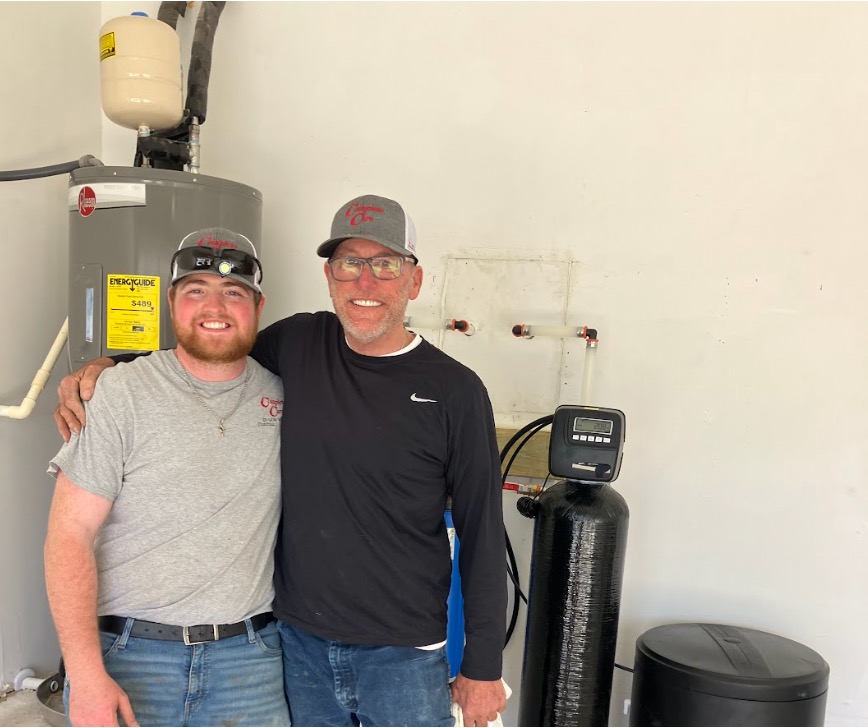
A strategic buyer is a company or operator already active in your industry that acquires your business to expand its footprint or to vertically integrate. In HVAC and plumbing, strategic buyers are often other service business owners who run their own crews and want to add territory, capacity, recurring service contracts, or a new service line to their existing operations.
Because operator-buyers understand the realities of running 4–10 crews, they tend to ask fewer “what does this number mean?” questions during diligence and move faster on terms they can deliver against.
Core Growth Group is one example. We acquire HVAC and plumbing companies directly across Dallas-Fort Worth, Houston, Austin, and San Antonio, without a broker listing in between.
What is Private Equity?
Private equity (PE) firms are investment funds that raise capital from institutional and high-net-worth investors and deploy it into private companies. In the home services sector, private equity investors have acquired nearly 800 HVAC, plumbing, and electrical companies since 2022, according to PitchBook data, with HVAC businesses accounting for a record share of deal activity.
The standard PE playbook in this sector is the “platform-and-add-on” rollup: a fund first buys a sizable platform company, then bolts on smaller add-on acquisitions to build scale. The investment thesis is to grow the combined entity through systems, technology, and a centralized back office, then resell the entire platform to a larger PE firm, typically with a 3- to 7-year hold.
Strategic Buyer vs Private Equity: Key Differences
Acquisition Intent & Hold Period
A strategic buyer is buying to run. The acquired business becomes part of an ongoing operation and is held indefinitely, or at least over a much longer horizon than a fund’s investment cycle.
A PE firm is buying to grow, package, and resell. The exit is built into the thesis from day one, which shapes every subsequent decision, from branding and pricing to back-office systems and leadership changes during the hold.
Valuation, Multiples & Deal Structure
Both buyer types value service businesses on a multiple of earnings (EBITDA), not revenue. A typical baseline is around 2x EBITDA; a strong growth story of 20% to 30%+ year-over-year can support up to 4x EBITDA, which materially increases the seller’s net proceeds.
Larger platforms with $5M+ EBITDA and recurring contracts can attract higher PE multiples. The trade-off is structure: PE deals often involve earn-outs, seller financing, and rollover equity into the platform, so headline numbers do not always equal cash at close. Sellers usually do not receive 100% cash up front in either scenario.

Post-Sale Role & Integration
With a strategic buyer, the seller typically stays for 6–12 months to transition customer relationships, vendor accounts, and crew leadership. The seller is also paid during that period, and is bound by a non-compete preventing a similar business in the same area.
With private equity, the post-sale role is often longer and more structured: PE platforms usually want the operator under a multi-year employment agreement plus an earn-out, with the local brand frequently kept on the trucks while back-office, pricing, and dispatching are pulled into the platform over time.
Pros & Cons of Selling to a Strategic Buyer
Pros
- Brings industry context and hands-on operational understanding from day one
- Runs a faster, more streamlined due diligence process
- Offers a clearer post-close picture and a cleaner team transition
- Often closes more quickly than a fund-led auction
- Recognizes service-business value: route density, recurring plans, technician retention
- Greater certainty of close, especially for $3–6M revenue businesses
Cons
- Usually less leveraged and lower-priced than competitive PE bids
- May not match the top end of a larger auction
- Often too small to anchor a private-equity platform
- Not always interesting to the biggest national rollups
Pros & Cons of Selling to Private Equity
Pros
- Can pay attractive multiples for the right platform target
- Offers rollover equity for a potential “second bite” later
- Strong fit for larger sellers with sophisticated financials
- Good for teams wanting to build under institutional ownership
Cons
- Involves longer diligence cycles and more conditional offers
- Often requires multi-year employment commitments after closing
- Means integration into a much larger, more complex operation
- Smaller sellers fall below most platform EBITDA thresholds
- Smaller sellers compete against bigger, more attractive add-ons
Note: Total transaction costs (lawyers, CPAs, brokers) run 10%–20% of deal value under either path.
Strategic Buyer vs Private Equity: Comparison Table
| Factor | Strategic Buyer (e.g., Core Growth Group) | Private Equity |
| Buyer type | The operator is already running a service business | Investment fund running a platform/add-on rollup |
| Hold period | Indefinite or long-term | Typically, 3 to 7 years to resale |
| Valuation basis | EBITDA multiple (2x baseline, 4x with strong growth) | EBITDA multiple, often higher for $5M+ EBITDA platforms |
| Typical seller size | $3M to $6M revenue HVAC/plumbing | $2M+ EBITDA add-ons; larger platforms |
| Deal structure | Cash at close plus transition pay; some seller financing | Mix of cash, rollover equity, earn-outs, seller financing |
| Post-sale role | 6 to 12 months paid transition with non-compete | Multi-year employment plus earn-out |
| Integration | Operational continuity, fewer brand changes | Brand often kept; back-office consolidated over time |
| Speed to close | Faster; single operator decision-maker | Slower; committee diligence |
| Best fit for | Owners wanting a clean retirement and continuity | Larger owners wanting rollover equity for a second exit |
Why Choose Core Growth Group Over a Private Equity Process?
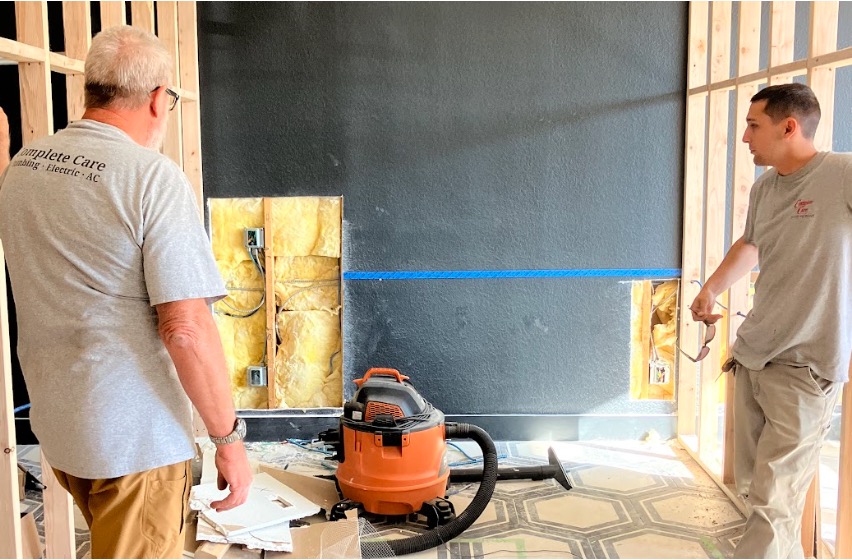
For most HVAC and plumbing owners in the Texas Triangle, the choice between a strategic buyer and a private equity process comes down to which type of exit best fits the business. A $3 to $6M operation rarely needs a fund-led auction, and the headline multiples that look attractive on paper often arrive wrapped in earn-outs and rollover equity that change what “selling” really means.
That is the gap we built Core Growth Group to fill. Our founder, Clint, runs his own service business, and and buys HVAC and plumbing businesses directly, so conversations start with someone who already understands the books and the crews. Owners who aren’t quite ready can also work with us 12 months out to strengthen the story before going to market. Whether you’re ready to sell now or preparing for a future exit, start the conversation with Core Growth Group today.
Start The Conversation With Core Growth Group.
Frequently Asked Questions (FAQs)
Do strategic buyers always pay less than private equity for a service business?
Not necessarily. Strategic buyers often pay competitive, or even higher, valuations when real synergies exist, such as increased route density, shared dispatch operations, or improved technician utilization. Private equity bids may stretch higher for $5M+ EBITDA platforms, but the headline number frequently includes earn-outs and rollover equity rather than cash at close.
How long does selling to a strategic buyer typically take?
End-to-end preparation usually takes around 12 months. A direct deal with a single operator-buyer can move faster once diligence starts, but sellers who have not documented financials, contracts, technician records, and standard operating procedures should expect the longer end of that timeline.
Will I have to stay involved with the business after the sale?
Yes, in almost every case. Strategic buyers typically require 6 to 12 months of paid transition under a non-compete. Private equity buyers often ask for multi-year employment plus an earn-out. Owners expecting to hand over the keys and walk away the next day may be disappointed by what real deals look like.
Should I talk to a lawyer or CPA before signing anything?
Yes. Legal, tax, and accounting structures can significantly affect your net proceeds, especially around earn-outs, asset versus stock sales, and sales tax on transferred vehicles. Any reputable buyer expects you to engage your own counsel and CPA, and you should plan to pay for that representation directly.
What makes Core Growth Group different from a broker or PE firm?
At Core Growth Group, we are an operator-led acquirer focused on HVAC and plumbing businesses generating $3M to $6M in annual revenue, with 4 to 10 crews across the Texas Triangle. Because our founder, Clint, runs his own service business, we evaluate deals the way operators do, not like a fund rushing to spend money before a deadline. That means qualified sellers work with a single decision-maker rather than a committee.
*Disclaimer: This content is for informational purposes only and should not be considered business, financial, legal, or tax advice. Results vary based on market conditions and individual business circumstances. To learn more about scaling, preparing, or exiting your business, visit Core Growth Group.
Want to Know What Your Company Could Be Worth?
Answer a few quick questions so Clint can understand where your company is today and what next step may make the most sense.
Get Company Valuation